
01
Frankincense water
Add 1 tablespoon of frankincense resin to 1 cup of hot water.
Cover and leave to steep overnight.
Strain before drinking.


In a 2023 lab study, smoke from Omani Green Hojari frankincense was tested against bacteria and mould isolated from indoor air and stopped the growth of all tested microorganisms.
Frankincense is especially well known for its boswellic acids, including AKBA and KBA.
These compounds have been widely studied for their effects on inflammatory pathways, particularly 5-LOX and leukotrienes. Human research has also looked at Boswellia for joint pain, stiffness and mobility, making inflammation one of the strongest areas of research around frankincense.
Frankincense has been used for memory, concentration and mental clarity for centuries, including within Islamic medicine.
Modern research is beginning to explore this traditional use too. Human studies have investigated frankincense and boswellic-acid preparations for memory, attention and cognitive performance.
Frankincense (lubān) has traditionally been used for bloating, digestion and stomach comfort.
In Oman and across the region, the resin has long been soaked in water or chewed, while its boswellic acids and aromatic compounds continue to be studied for their inflammatory and biological activity.
Frankincense has a long history of use for coughs, chest complaints and easier breathing across Arabia, North Africa and traditional Islamic medicine.
One reason researchers are interested in it is that boswellic acids can influence leukotrienes, inflammatory compounds involved in the airways.
Frankincense water is still traditionally used in many cultures as part of respiratory support.
Frankincense also has a long history in oral care.
Ibn Sina wrote about finely ground frankincense mixed with honey for gum and mouth ulcers. Modern clinical research has also investigated frankincense preparations for plaque, gingival inflammation and bleeding gums.
The resin itself has traditionally been chewed to freshen the breath and support everyday oral hygiene.
Traditionally, frankincense has been used in skincare as both an infused oil and a water preparation.
Research on Boswellia compounds has investigated anti-inflammatory, antioxidant and antimicrobial activity, while topical human research has explored effects on fine lines, skin texture, elasticity and sebum.
Frankincense-infused oil — better suited to dry, irritated or mature skin.
Frankincense water — lighter and naturally astringent, making it useful as a refreshing facial toner.
Frankincense is also being studied for its antioxidant activity.
Boswellia sacra resin and its compounds have shown the ability to interact with free radicals and antioxidant defence systems, which is particularly relevant because oxidative stress and inflammation often go hand in hand.
For centuries, frankincense has been burned in palaces, homes, mosques, churches and other places of worship, filling indoor spaces with its distinctive resinous aroma.
Burning Omani Boswellia sacra is more than an aromatic tradition.
Research examining Boswellia sacra smoke has found antimicrobial activity against airborne bacteria, yeast and mould, as well as activity against organisms including S. aureus and E. coli.
This provides modern scientific context for the long-standing practice of burning frankincense to freshen and cleanse indoor spaces.
Four ways to use it: as water, chewed, infused in oil, or burned.
Add 1 tablespoon of frankincense resin to 1 cup of hot water.
Cover and leave to steep overnight.
Strain before drinking.
Take one small tear and chew it like gum.
Discard when finished.
Crush or grind frankincense resin into powder, then cover with an oil of your choice in a sealed jar.
Leave somewhere warm for approximately two weeks, shaking regularly.
Strain and use externally.
Place a small amount of resin in a suitable incense burner and burn as traditional resin incense.
Use in a ventilated space and never leave burning incense unattended.
Boswellic acids are active compounds naturally concentrated in frankincense resin. More than a dozen have been identified, but AKBA and KBA have attracted the most research for their effects on inflammation and immune signalling.
Inflammation works through several pathways. Two important ones are COX and 5-LOX. COX produces prostaglandins; 5-LOX produces leukotrienes.
Leukotrienes help recruit immune cells and are involved in persistent inflammation, mucus production and airway constriction.
Common anti-inflammatory drugs such as ibuprofen and aspirin mainly target the COX pathway. AKBA is one of frankincense's most extensively studied compounds and has been investigated particularly for its effects on 5-LOX and leukotriene production. Boswellic acids have also been studied for effects on NF-κB and inflammatory cytokines, so their activity is broader than 5-LOX alone.
AKBA has additionally attracted research interest in the nervous system, including neuroinflammation, oxidative stress, memory, brain injury and neuroprotective mechanisms. Much of this brain research is still preclinical.
KBA is another major boswellic acid closely related to AKBA. It has also been studied for 5-LOX and inflammatory signalling, although its effects in the body are complicated by factors such as strong protein binding and relatively low bioavailability.
Boswellia sacra also contains naturally occurring volatile aromatic compounds responsible for frankincense's characteristic scent. These compounds, along with boswellic acids and other constituents of the resin, have been investigated for antimicrobial and antioxidant activity.
Do not use if you are allergic to frankincense or other Boswellia species. Consult your healthcare professional before use if pregnant, breastfeeding, taking medication or managing a medical condition. Information provided is for educational purposes only and is not intended to diagnose, treat, cure or prevent any disease.
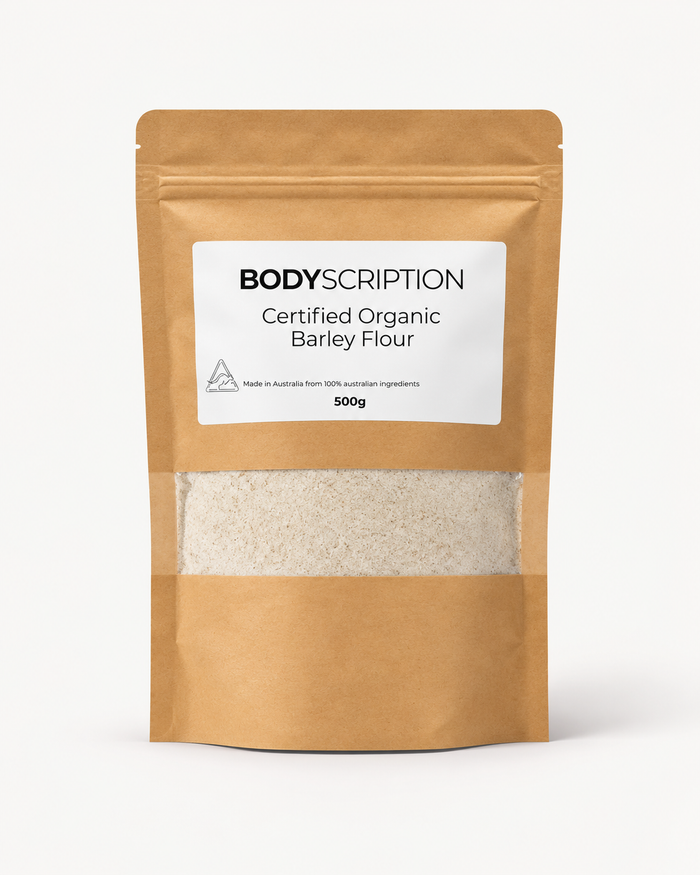
Finely milled organic barley flour, at the ideal texture for preparing talbina.
Finely milled organic barley flour, at the ideal texture for preparing talbina.

Reconnect with who you are, then become who you are meant to be.

Two internal remedies and one external oil, for ongoing inflammation, joint stiffness, recurring pain and the poor sleep that often comes with it.
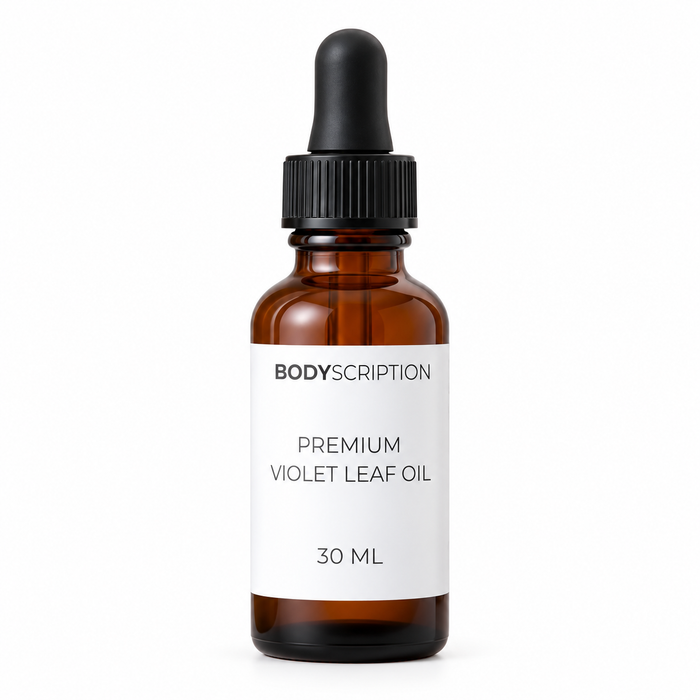
For racing thoughts, hot headaches, aching joints and dry, irritated skin.
For racing thoughts, hot headaches, aching joints and dry, irritated skin.

Three 30 ml bottles of our Violet Leaf Oil. Stock up and save 10%.
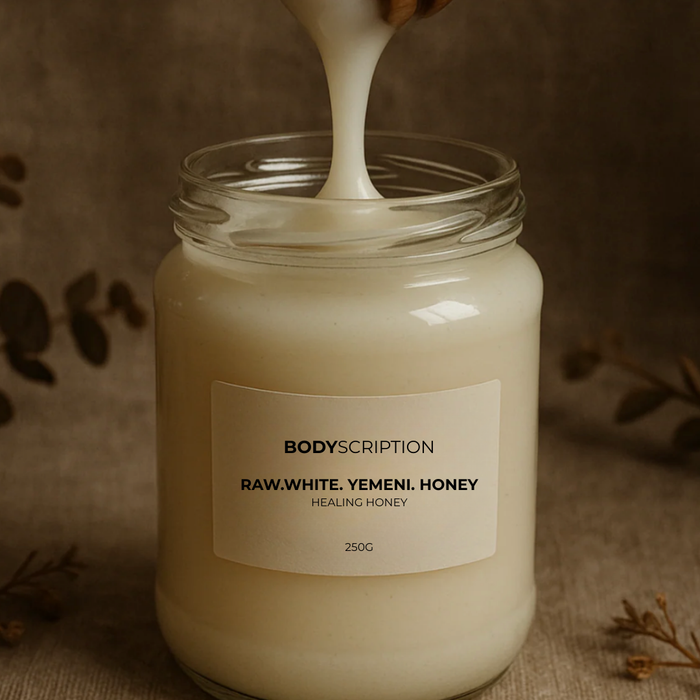
Raw white honey from Leucas inflata bloom. The best honey is white and of the highest quality.