
01
Simmered, the strong way
One tablespoon of root to 250 ml of water.
Bring it to a gentle simmer for 10 to 15 minutes.
Strain and drink.


Dandelion root is one of the classic bitter herbs.
When bitter receptors are activated, they help switch digestion on, stimulating saliva, stomach acid, digestive secretions and bile so the body is better prepared to break food down.
That is why bitter herbs have traditionally been taken before meals, and why dandelion root has been used this way across Europe for centuries.
It is also naturally rich in inulin, a prebiotic fibre that passes through the small intestine undigested and becomes food for beneficial gut bacteria in the large bowel.
Dandelion root has been used for centuries as a liver and digestive tonic.
Its natural bitterness helps stimulate bile flow, which matters because bile is what helps your body break down fats and absorb fat soluble vitamins such as A, D, E and K.
For the kind of meal that feels like it just sits there.
Dandelion root's bitter compounds help switch digestion on, supporting stomach secretions and bile so heavier foods are easier to process.
That is also why it is traditionally used for the full, bloated, sluggish feeling after eating.
Bitters have a long history of use when appetite feels low.
That bitter taste sends digestive signals through the gut and can help wake appetite and digestion up, which is why dandelion has traditionally been used around mealtimes.
Dandelion root is naturally rich in inulin, a prebiotic fibre your body does not digest.
Instead, it reaches the large bowel where beneficial gut bacteria feed on it, supporting the gut microbiome and bowel regularity.
Dandelion root naturally contains polyphenols and other plant antioxidants that help protect cells from everyday oxidative stress.
Dark, earthy and pleasantly bitter, dandelion root has been brewed as a coffee substitute across Europe for generations, particularly during periods when coffee was scarce.
Unlike many “dandelion coffees” blended with chicory or roasted grains, this is pure dandelion root, no caffeine and nothing added.
On its own, or paired with burdock for a deeper bitter blend.
One tablespoon of root to 250 ml of water.
Bring it to a gentle simmer for 10 to 15 minutes.
Strain and drink.
Use equal parts dandelion root and burdock root.
Add one tablespoon of the combined roots to 250 ml of water.
Bring to a gentle simmer for 10 to 15 minutes.
Strain and drink for a deeper bitter blend traditionally used for digestion, liver support, gut health and skin support.
A fibre your body has no enzyme for, so it passes through undigested and feeds your gut bacteria instead. Dandelion root is one of the best natural sources there is, and the roots hold the most in autumn, which is when they are lifted.
A group called sesquiterpene lactones. They are what makes the root bitter, and the bitterness is what does the work. Bitter receptors are not only on your tongue, they run the length of your gut.
Do not take it if you are allergic to plants in the daisy family, which includes ragweed, chamomile, chrysanthemum and marigold. Do not take it if you have gallstones, a blocked bile duct or liver disease. Dandelion root prompts the gallbladder, which is the last thing you want with a stone sitting in it. Speak to your healthcare professional first if you are pregnant or breastfeeding, or taking medication.
Not intended to diagnose, treat, cure or prevent any disease. Sold as a food, not a medicine.

A traditional Caribbean and West African leaf infusion, single origin from Sri Lanka.
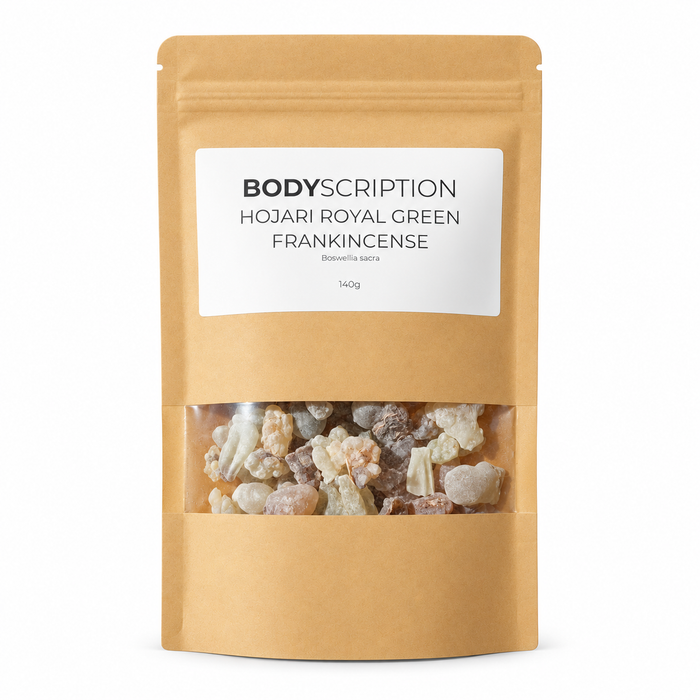
True Royal Green Hojari from the Dhofar mountains, the most sought-after grade of Boswellia sacra.

One of the only herbs the Prophet peace be upon him named by name. Sun-dried whole leaf, for a short-course reset.

A caffeine free tea for after meal bloating and digestive comfort.
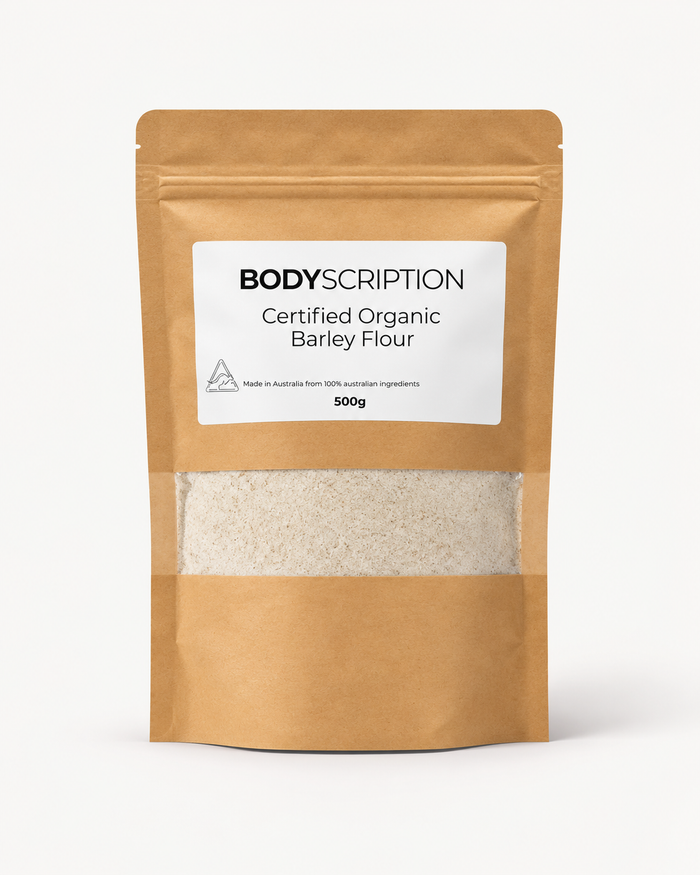
Finely milled organic barley flour, at the ideal texture for preparing talbina.
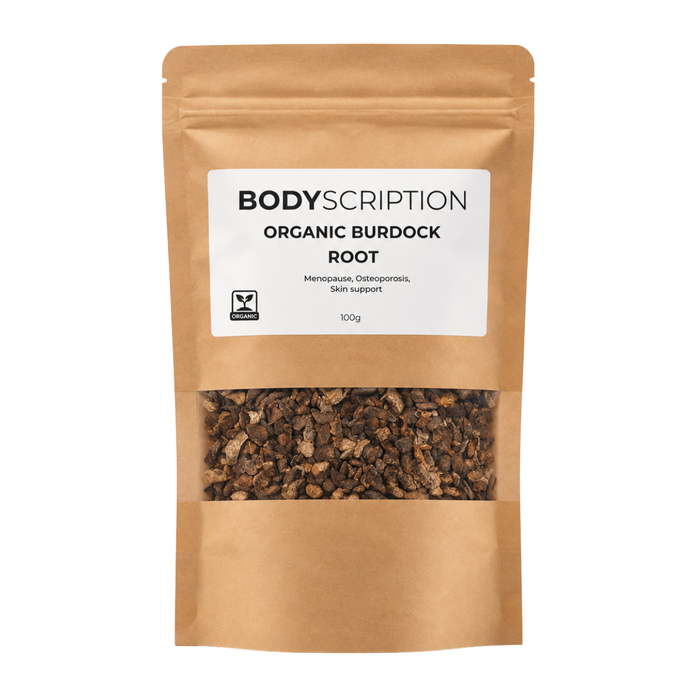
Certified organic greater burdock root, carefully dried. Known as the blood purifier.

Made from the peel, not the seeds, where the fruit stores its highest concentration of compounds.
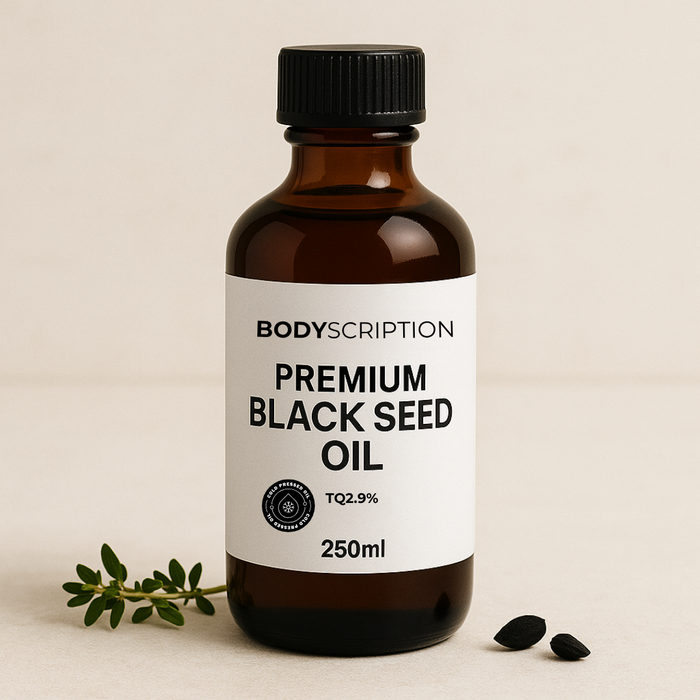
Cold pressed Nigella sativa at nearly three times the thymoquinone of most oils on the market.