

01
Golden milk
Warm one cup of milk of your choice and whisk in ½–1 teaspoon of turmeric with a pinch of black pepper.
Simmer gently for 3–5 minutes, then sweeten with honey if you like.


A major study of 356 turmeric samples across South Asia found 14% contained detectable lead, often from lead chromate added to make poor quality turmeric look brighter.
The other problem is potency. Most turmeric contains only 1 to 3% curcumin. Many products do not state the level at all.
This is what most people come to turmeric for. It is the reason the curcumin number on the front matters. Curcumin is a strong anti inflammatory. It works on the inflammatory pathways themselves rather than masking the result, which is why it is taken daily and over months rather than for one bad day.
You do not have to be inflamed to take it. Prevention is better than cure. A daily cup is as much about keeping inflammation down as bringing it down.
At 6 to 9% you are getting two to three times the curcumin of ordinary turmeric out of the same spoonful.
Stiff knees first thing in the morning, aching hands, the joints that complain after a long day standing up. Turmeric is one of the oldest remedies for all of it and one of the best supported. Most people take it for everyday stiffness and for getting through the colder months more comfortably.
Turmeric prompts the gallbladder to release bile, which is what your body uses to break down fat. That is the reason it sits in almost every curry across South Asia. It eases the heavy, bloated feeling after a rich meal and helps keep things moving.
The liver is where turmeric has both a long traditional reputation and a growing modern one. It is taken by people carrying fatty liver and by people who simply want to support the organ that processes everything they eat and drink.
Turmeric is well studied for fasting blood glucose and for the longer term markers your doctor checks. It is a common daily addition for people keeping an eye on both. It is a food and it does not replace anything you have been prescribed.
With regular intake, LDL and triglycerides tend to move in the right direction and the blood vessels themselves work a little better. It is taken daily as one part of a wider routine rather than on its own.
Curcumin has been trialled for low mood with encouraging results, which is unusual for something you can keep in a kitchen cupboard. It is taken as daily support alongside everything else you do, not as a treatment.
Drunk daily for clearer, calmer skin. It works from the inside out, through the same anti inflammatory and antioxidant action behind everything else on this list. Turmeric has been part of the daily diet for the complexion across South Asia for as long as there are records of it.
Curcumin mops up free radicals directly and also raises the body's own antioxidant enzymes, so it works on two fronts at once. This is the layer sitting underneath most of the other benefits on this page.
For better curcumin absorption, pair turmeric with a source of fat. A pinch of black pepper or cayenne pepper is also commonly added to help increase curcumin absorption.
Warm one cup of milk of your choice and whisk in ½–1 teaspoon of turmeric with a pinch of black pepper.
Simmer gently for 3–5 minutes, then sweeten with honey if you like.
Stir ½–1 teaspoon into hot water with a pinch of black pepper.
Add honey to taste and a little ghee or coconut oil.
Mix 1 teaspoon of turmeric with a pinch of black pepper and a little ghee or coconut oil in a small amount of warm water. Stir well and drink.
Use it in curries, dahl, soups, rice, roasted vegetables or eggs.
Add it while cooking with oil or another source of fat. Lakadong turmeric is naturally intense in both colour and flavour, so start with a little and adjust to taste.
Curcumin is the yellow compound turmeric is studied for. It is the whole reason a percentage belongs on the label. Ordinary turmeric runs 1 to 3%. At 6 to 9%, a quarter teaspoon of this carries roughly what a full teaspoon of the usual powder does.
The aromatic oil fraction that hits you when the pouch is opened. Turmerones appear to help carry curcumin across the gut wall, which is one reason whole ground root behaves differently from a stripped extract. A weak smell is a sign of old or poor quality root.
Pure ground turmeric pulls moisture out of the air and sets into soft lumps. Anti caking and flow agents are what stop that happening in a supermarket jar. There are none in here, so break the lumps with the back of a spoon and carry on.
Lead chromate, a bright yellow industrial pigment, is used in parts of the turmeric trade to make poor quality root look rich and fresh. Buying single origin from one organic growing region, with the curcumin declared, is how you stay out of that market entirely.
Avoid if you have gallstones or a blocked bile duct. Speak to your healthcare professional before use if you are pregnant, breastfeeding, taking blood thinners or diabetes medication, or preparing for surgery. Sold as a food, not a medicine.
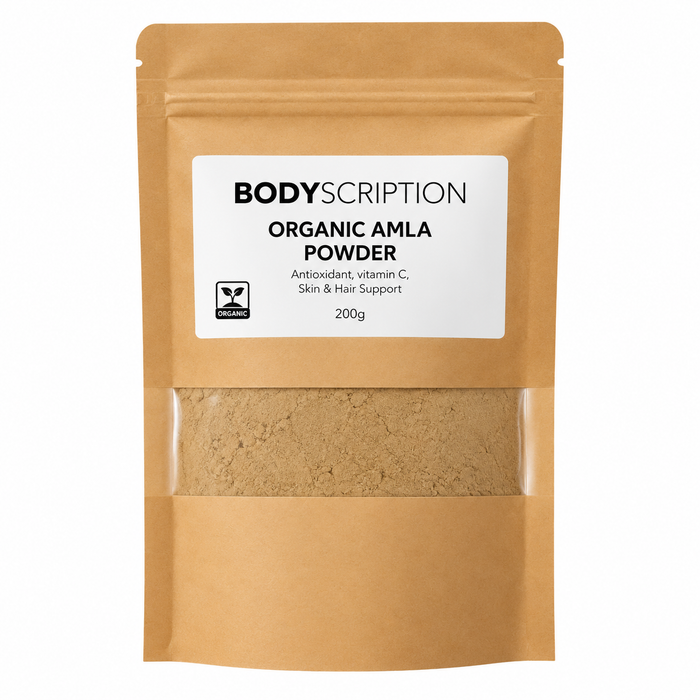
Indian gooseberry, gently dried and finely milled. One of the richest natural sources of vitamin C.
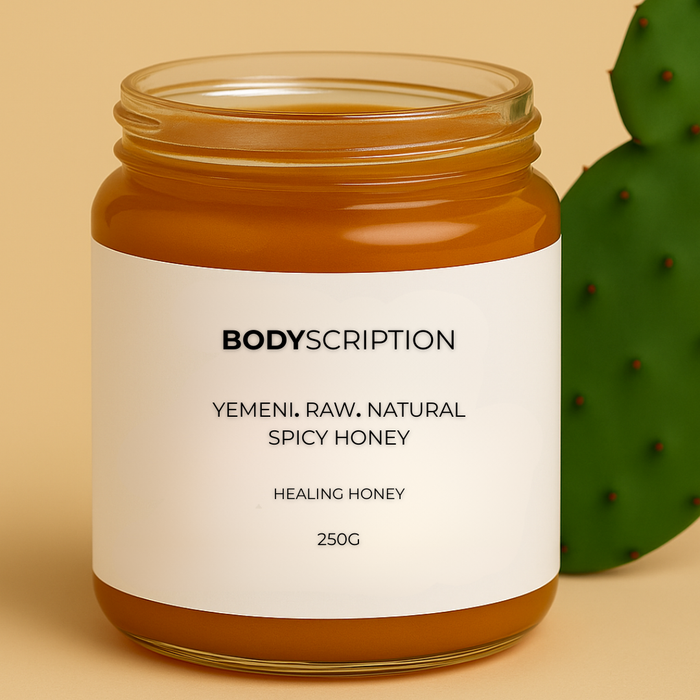
This is not an ordinary honey. The warmth comes from the Ṣāl nectar itself, not from chilli.

A traditional Caribbean and West African leaf infusion, single origin from Sri Lanka.
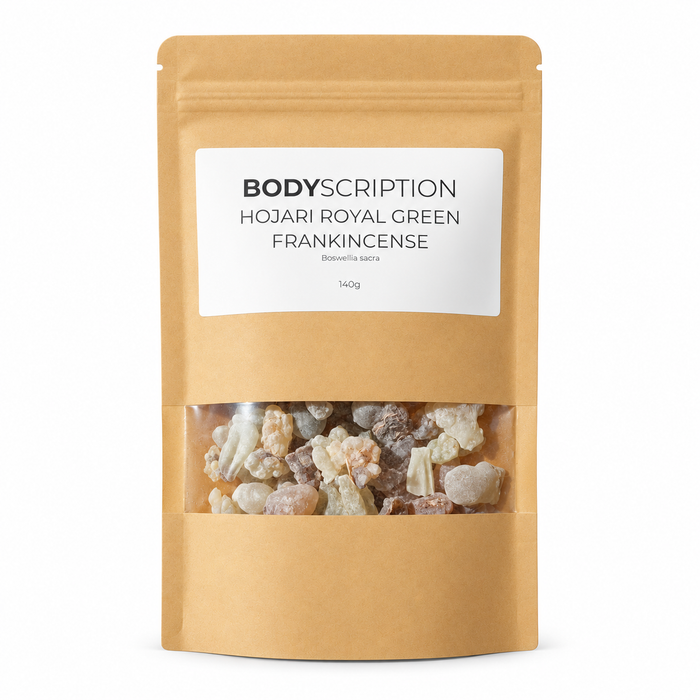
True Royal Green Hojari from the Dhofar mountains, the most sought-after grade of Boswellia sacra.
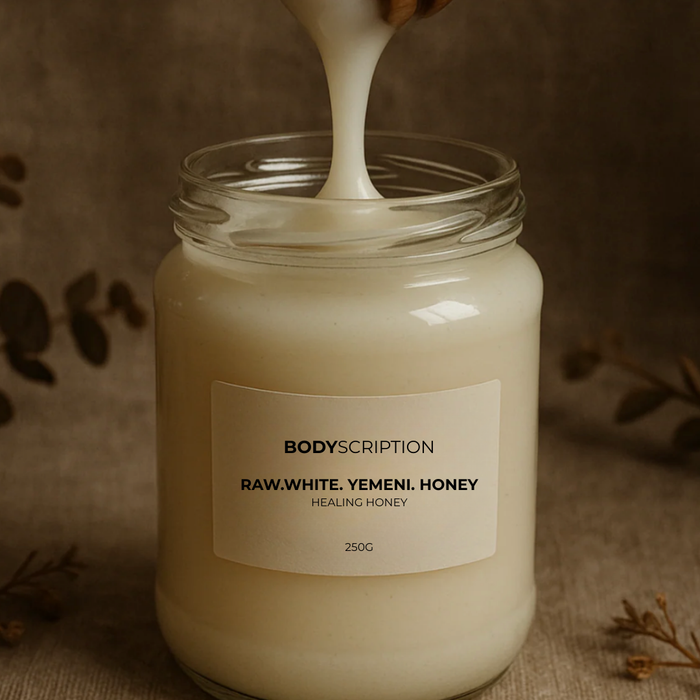
Raw white honey from Leucas inflata bloom. The best honey is white and of the highest quality.

Made from the peel, not the seeds, where the fruit stores its highest concentration of compounds.
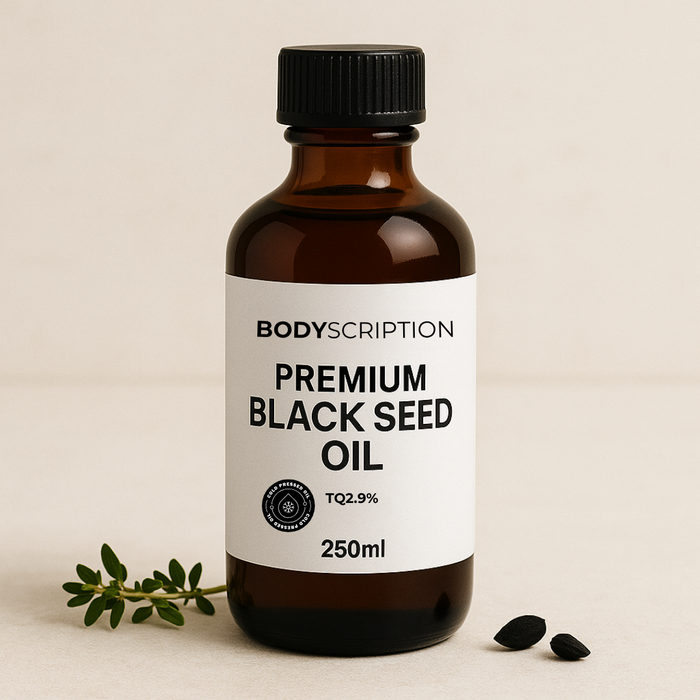
Cold pressed Nigella sativa at nearly three times the thymoquinone of most oils on the market.
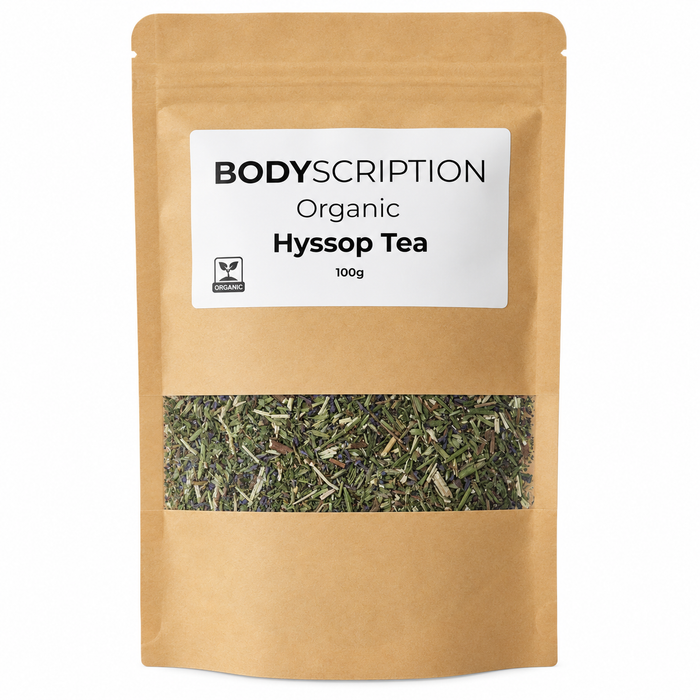
Dried leaves and flowers. Cleanse your lungs. Support your gut. Feel lighter.