


01
Daily, in water or juice
Mix half to one teaspoon of amla powder into a glass of water or juice.
Stir well and drink once daily.
Amla is naturally sour, so you can add honey if you prefer a softer taste.


Gram for gram, amla carries several times the vitamin C of an orange.
The vitamin C is only half of it. Amla is loaded with ellagic acid, gallic acid and corilagin, the antioxidants doing the work on your skin, your hair and your cells.
This is what amla is best known for. It is not only tradition holding it up. Modern research finds amla active at several of the same biological pathways hair growth runs on: the hair cycle itself, the cells at the base of the follicle and the enzyme that turns testosterone into DHT.
Taken internally it moves more of your hair into the growing phase and fewer hairs into the resting, shedding phase. Used as a mask it is a centuries old part of South Asian hair practice. It leaves hair denser, glossier and easier to manage.
Amla is one of the richest natural sources of vitamin C. It arrives packaged with ellagic acid, gallic acid, corilagin and a group of tannins that work alongside it. Together they are what the body uses to hold off oxidative stress, the daily cellular wear that comes from pollution, sun, stress and simply being alive.
This is food, not an isolated tablet. The whole fruit behaves differently from ascorbic acid on its own.
Your body cannot build collagen without vitamin C. Collagen is what gives skin its firmness and its bounce. It is also the first thing to go.
The antioxidants work on the dullness and the premature ageing that come from oxidative damage. Taken internally it works from the inside. The same powder makes a brightening face mask.
Vitamin C is one of the few nutrients the immune system genuinely depends on. Amla delivers it as a food. It is taken daily through the colder months rather than started once you are already unwell.
Amla keeps things moving without forcing them. It is not the sort of thing you reach for once you are already stuck, it is the daily habit that stops you getting stuck.
It also settles the heaviness and the discomfort that turn up after a big meal.
For the burning behind the breastbone and the acid that comes back up after a meal. Amla is one of the very few traditional remedies for reflux that has been put through a proper trial and come out ahead.
It is taken daily rather than reached for once the burning has already started.
Taken daily over weeks, LDL and total cholesterol move in the right direction. The inflammation markers in the blood come down with them. Fasting blood glucose comes down too.
This is a food. It goes alongside whatever your doctor has you on, never instead of it.
Amla's place in Ayurveda is as a rasayana, a rejuvenative taken for the long haul rather than in courses. The modern reading of that is the antioxidant and anti inflammatory load it carries.
It is why people take it every day for years.
Mix half to one teaspoon of amla powder into a glass of water or juice.
Stir well and drink once daily.
Amla is naturally sour, so you can add honey if you prefer a softer taste.
Mix two to three tablespoons of amla powder with water to form a paste.
You can use it on its own with water, or mix it with a base of your choice. Yoghurt and a preferred hair oil are commonly used.
Apply through the scalp and hair, leave for 20 to 30 minutes, then rinse thoroughly and wash as normal.
Mix amla powder with water, or with a base of your choice, until it forms an easy to apply paste.
Apply to clean skin and leave for 10 to 15 minutes.
Rinse thoroughly with water.
Patch test first if you have sensitive or reactive skin.
Amla is one of the richest natural sources of vitamin C on earth. It arrives wrapped in the fruit's own polyphenols rather than as an isolated tablet.
The hydrolysable tannins. These carry a large share of amla's measured antioxidant activity. They are the reason a whole fruit powder is not the same thing as a vitamin C tablet.
The sourness is the vitamin C and the fruit acids. It sits at around pH 3. Sharp rather than bitter, fading within seconds. Honey, juice or a smoothie handles it if you would rather not meet it head on.
Amla is a daily habit, not a quick fix. Digestion and skin usually shift first, within a few weeks. Hair runs on its own clock because hair grows slowly, so give it three months before you judge it. The trials that found a hair result ran for twelve weeks.
Amla thins the blood slightly. Speak to your doctor first if you are on blood thinners or diabetes medication. Stop two weeks before surgery. Speak to your healthcare professional before use if you are pregnant or breastfeeding.
Not intended to diagnose, treat, cure or prevent any disease. Sold as a food, not a medicine.
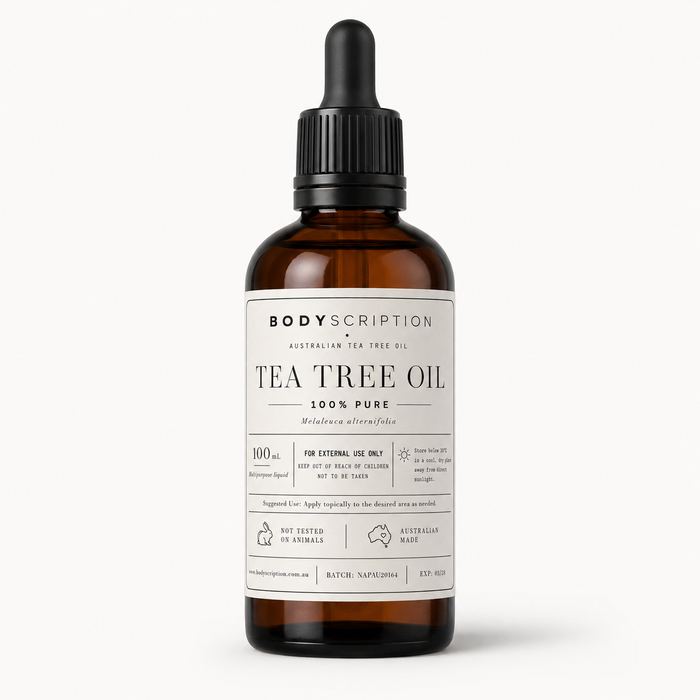
Steam-distilled from Melaleuca alternifolia, grown in the land it belongs to. No fillers, no dilution.
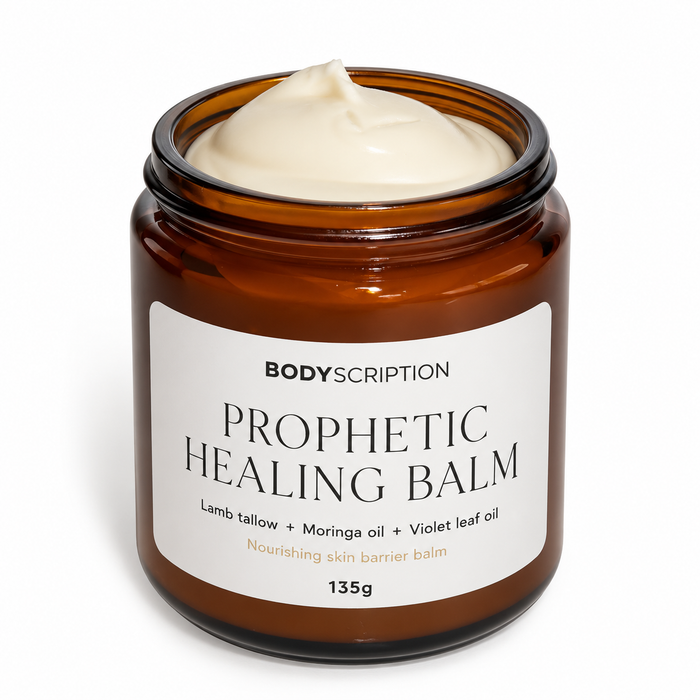
Lamb tallow, moringa and violet leaf infusion. 100% natural, rooted in Sunnah, scientifically backed and halal.
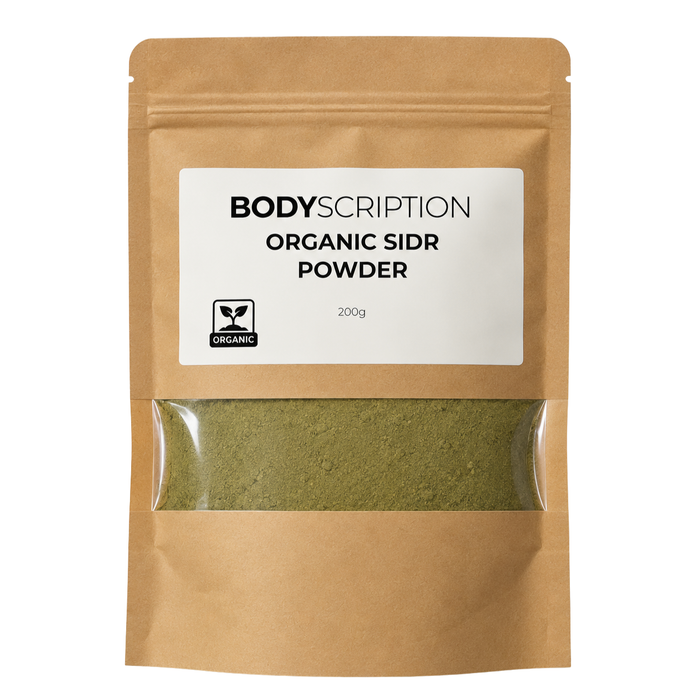
A traditional leaf for a cleaner scalp, fresher skin and a simpler routine.
For racing thoughts, hot headaches, aching joints and dry, irritated skin.
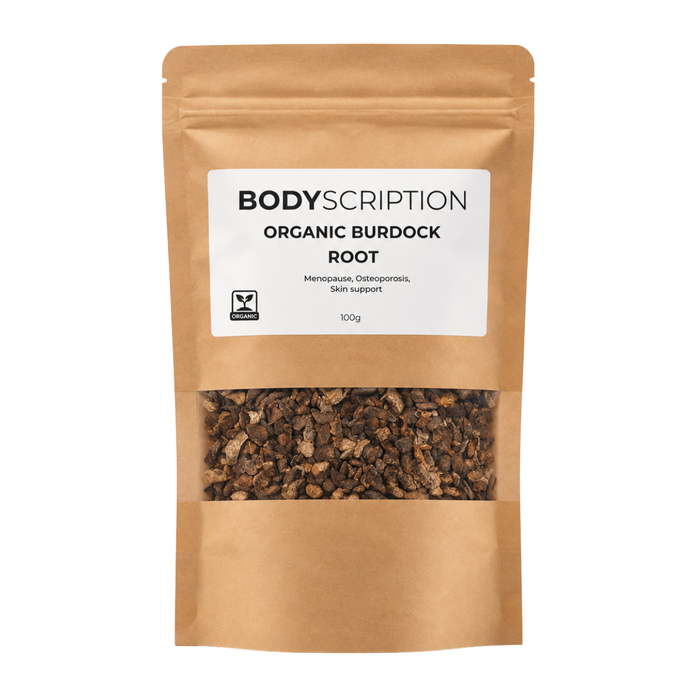
Certified organic greater burdock root, carefully dried. Known as the blood purifier.

Made from the peel, not the seeds, where the fruit stores its highest concentration of compounds.
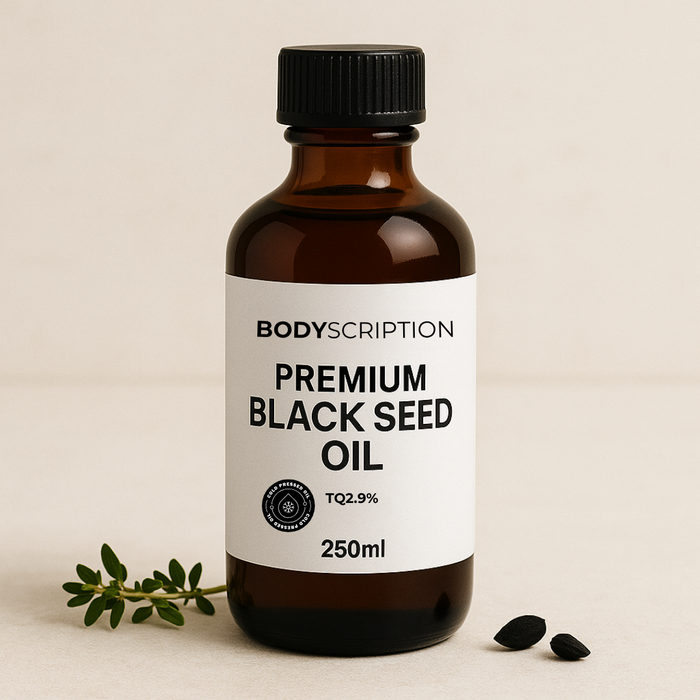
Cold pressed Nigella sativa at nearly three times the thymoquinone of most oils on the market.