
01
Hot infusion
2 to 3 teaspoons of blossoms per cup of hot water.
Steep 10 to 15 minutes.
Drink 1 to 3 cups daily.


A 2026 analysis that pooled 9 randomised controlled trials found that women taking red clover isoflavones experienced significantly fewer hot flushes than women taking placebo.
In one 12 week trial using a wearable sensor rather than relying only on symptom diaries, hot flushes dropped by about 4 per day in the treatment group.
Red clover is best known for its naturally occurring isoflavones, the plant compounds behind most of its modern menopause research.
Human trials have looked closely at hot flushes, night sweats and broader menopause symptoms, which is why red clover has become such a well known herb for this stage of life.
Night sweats and temperature changes can make sleep harder during menopause.
Red clover is naturally caffeine free, making it easy to use as an evening tea, while research has also looked at sleep, irritability and quality of life alongside other menopause symptoms.
The years around menopause are also when bone health becomes increasingly important.
Red clover isoflavones have been studied for their relationship with bone mineral density and bone turnover, although results across trials are mixed.
Red clover has also attracted research interest around blood lipids and cardiovascular wellbeing in perimenopausal and postmenopausal women.
This includes studies looking at LDL, HDL, triglycerides and other metabolic markers, giving red clover a broader research story beyond hot flushes alone.
Long before red clover became associated with menopause, herbalists knew it as an alterative or blood cleansing herb.
It was traditionally used for congested, irritated and problem prone skin, especially when herbalists believed what was happening internally was showing up externally.
In European and Western herbal medicine, red clover was often taken as a longer term cleansing tonic, rather than something used only when a symptom appeared.
Its traditional use centred around skin, circulation and internal cleansing, while its naturally occurring isoflavones later became the focus of modern menopause research.
Two methods, and they are alternatives rather than steps.
2 to 3 teaspoons of blossoms per cup of hot water.
Steep 10 to 15 minutes.
Drink 1 to 3 cups daily.
Soak the blossoms in cold water in the refrigerator for 12 to 24 hours.
Strain.
Red clover contains isoflavones with oestrogen like activity, so it is not suitable for everyone. Avoid during pregnancy or breastfeeding. Speak to your healthcare professional before use if you have or have had a hormone sensitive condition, or if you take blood thinners, hormone therapy, tamoxifen, an aromatase inhibitor or the contraceptive pill. Red clover may also increase the effects of blood thinning medication, so extra caution is needed if you take anticoagulant or antiplatelet drugs. Sold as a food, not a medicine.
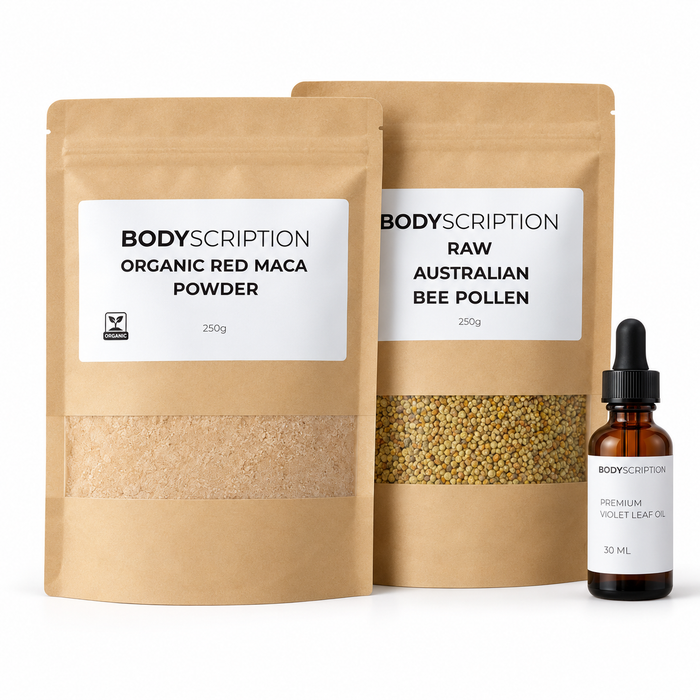
Support for the parts of women's wellbeing that tend to change together: energy, libido, reproductive wellbeing, nutrition and sleep.
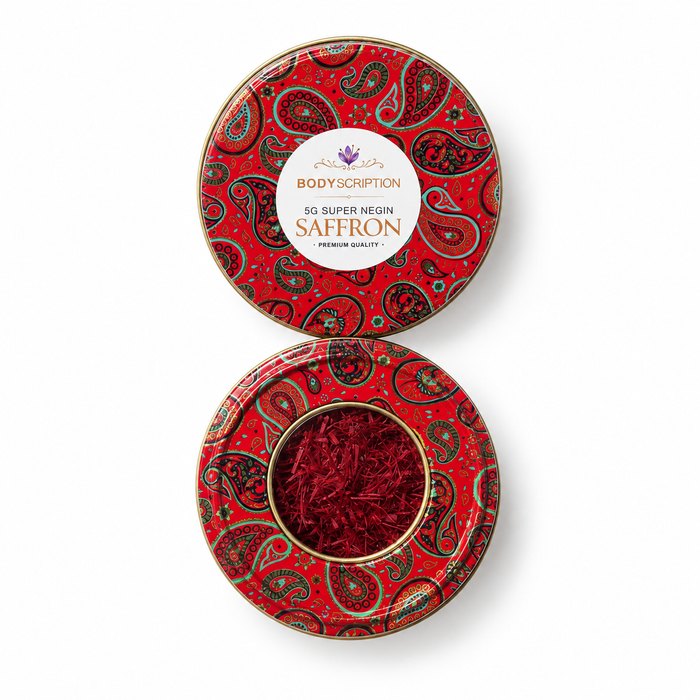
Long, thick, deep red stigma with minimal yellow style. The highest grade of saffron on the market.
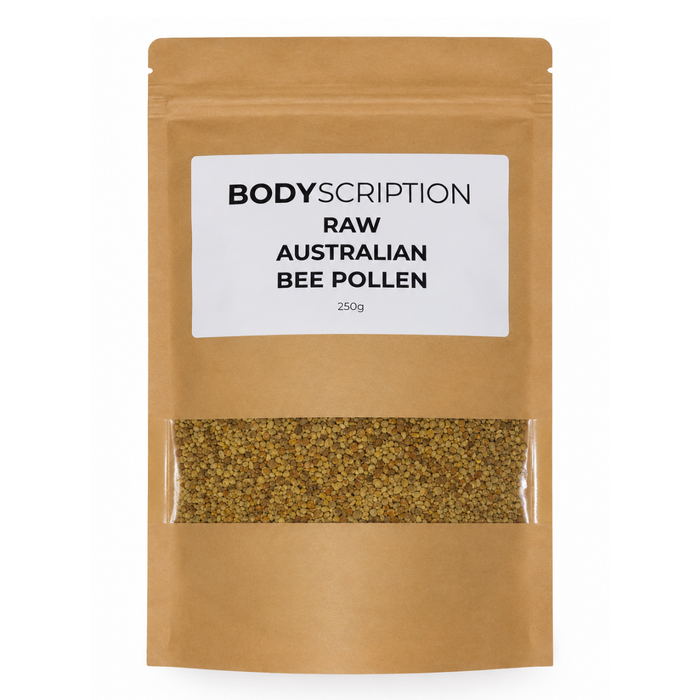
Raw golden granules from WA Redgum and Jarrah forests. Never heat treated, never powdered.
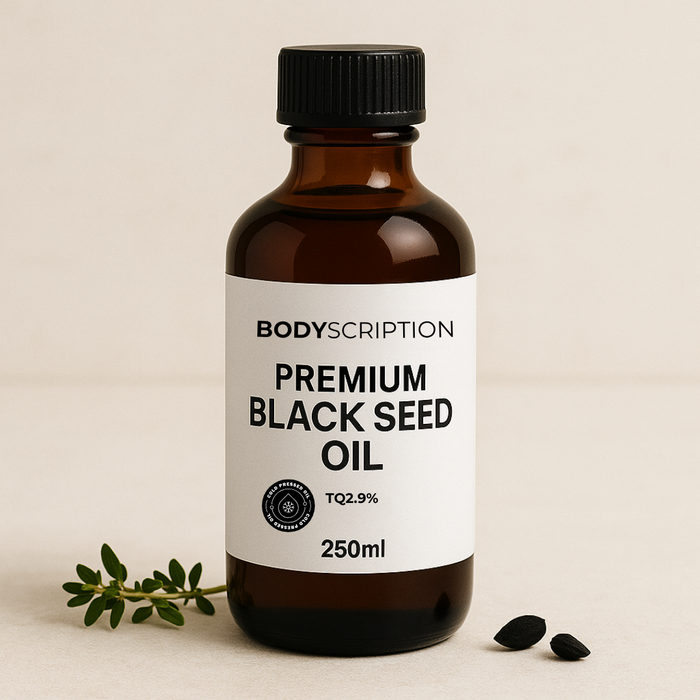
Cold pressed Nigella sativa at nearly three times the thymoquinone of most oils on the market.

Whole fenugreek seed grown on Australian soil. If the people had knowledge of its benefits, they would buy it with its weight in gold.
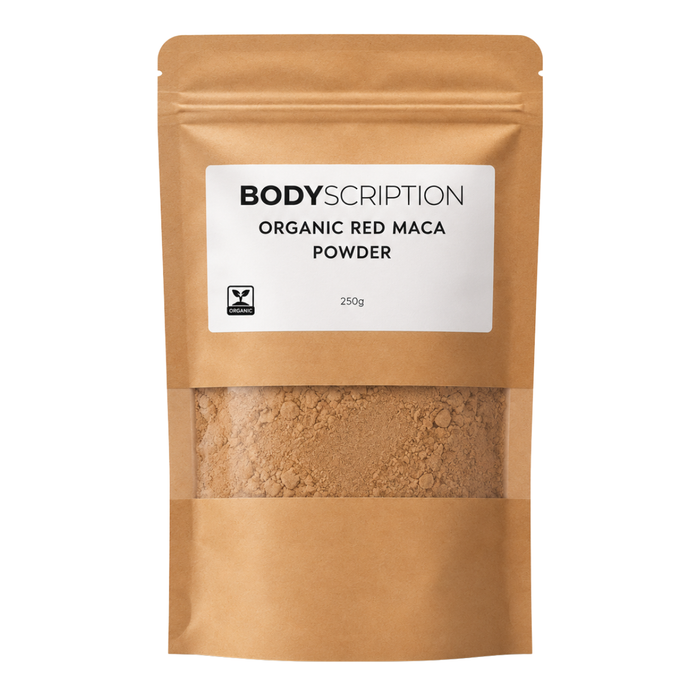
Gelatinised red maca root from the Peruvian Andes. The colour that beat black maca on mood and energy.